
1. Understanding GERD: Causes and Symptoms

1.1 What is GERD?
Gastroesophageal Reflux Disease (GERD) is a chronic digestive disorder where stomach acid or bile irritates the food pipe lining. This condition is characterized by frequent acid reflux, which occurs when the lower esophageal sphincter (LES) fails to close properly, allowing stomach contents to rise back into the esophagus. GERD is a prevalent condition that affects a significant portion of the population, impacting quality of life and overall health.
1.2 Causes of GERD
Several factors contribute to the development of GERD, each influencing the condition's severity and frequency. Key causes include:
- Hiatal Hernia: This anatomical abnormality occurs when the upper part of the stomach pushes through the diaphragm, affecting the LES's ability to function correctly.
- Obesity: Excess body weight increases abdominal pressure, which can exacerbate reflux symptoms.
- Poor Diet: Consumption of fatty, spicy, or acidic foods, along with caffeinated and carbonated beverages, can trigger reflux episodes.
- Lifestyle Factors: Smoking, alcohol consumption, and stress are believed to weaken the LES, contributing to GERD.
- Medications: Certain drugs, such as antihistamines, calcium channel blockers, and antidepressants, can relax the LES, increasing reflux risk.
1.3 Common Symptoms of GERD
GERD manifests through a variety of symptoms, ranging from mild discomfort to severe pain. Common symptoms include:
- Heartburn: A burning sensation in the chest, typically after eating, which might worsen when lying down or bending over.
- Regurgitation: The sensation of acid backing up into the throat or mouth, producing a sour or bitter taste.
- Dysphagia: Difficulty swallowing, often accompanied by the feeling of a lump in the throat.
- Chronic Cough: Persistent coughing that may be aggravated by acid reflux.
- Chest Pain: Although less common, some individuals experience non-cardiac chest pain.
1.4 Physiological Processes Involved
The underlying physiological processes of GERD involve the malfunctioning of the lower esophageal sphincter (LES) and the esophagus's mucosal defense mechanisms. In a healthy digestive system, the LES acts as a barrier, preventing gastric acids from entering the esophagus. However, in individuals with GERD, the LES may weaken or relax inappropriately, allowing acid to reflux. Over time, repeated exposure to acid can damage the esophageal lining, leading to inflammation and symptoms typically associated with GERD.
Research suggests that factors such as impaired esophageal motility and delayed gastric emptying might also play roles in the persistence and severity of GERD symptoms. Understanding these processes is crucial for developing effective management strategies and enhancing patient outcomes.
2. The Role of Ashwagandha in Digestive Health

2.1 Historical Use of Ashwagandha in Traditional Medicine
Ashwagandha, also known as Withania somnifera, is a revered herb in Ayurvedic medicine, historically utilized for its adaptogenic properties. Traditionally, it has been employed to enhance vitality, manage stress, and improve overall well-being. Its use extends beyond general health, as it is believed to support various bodily systems, including the digestive tract.
In Ayurveda, Ashwagandha is considered a "Rasayana," a term that denotes rejuvenating and life-extending properties. By balancing bodily energies, it is thought to aid digestion and promote a healthy gut environment, which is crucial for managing conditions like GERD.
2.2 Scientific Insights into Ashwagandha's Digestive Benefits
Modern research has begun to explore Ashwagandha's potential in supporting digestive health. While studies are ongoing, initial findings suggest several mechanisms through which Ashwagandha might benefit those with GERD.
Research suggests that Ashwagandha may possess anti-inflammatory properties, which can help soothe the gastrointestinal tract. Inflammation reduction is particularly beneficial for GERD sufferers, as chronic inflammation is a known contributor to esophageal damage and discomfort.
Furthermore, Ashwagandha is believed to exert a calming effect on the nervous system, potentially reducing stress-related triggers of GERD. Stress is a recognized factor in exacerbating GERD symptoms, and managing it effectively can improve quality of life for those affected by the condition.
2.3 Potential Benefits for GERD Management
While definitive clinical trials are needed to establish Ashwagandha's efficacy in GERD treatment, preliminary studies indicate that its adaptogenic properties might offer supportive benefits. By promoting overall digestive health, Ashwagandha may contribute to a more balanced and less irritated gastrointestinal environment.
Moreover, Ashwagandha's potential to enhance gastric mucosal defense mechanisms could provide a protective effect against acid-induced damage. This protective action might help alleviate some of the symptoms associated with GERD, such as heartburn and regurgitation.
As research progresses, Ashwagandha may emerge as a complementary approach in the holistic management of digestive disorders. However, it is essential for individuals to consult healthcare professionals before incorporating new supplements into their regimen, ensuring a safe and tailored approach to their health needs.
3. Scientific Evidence on Ashwagandha and GERD

3.1 Overview of Clinical Trials
Recent scientific investigations have begun to explore Ashwagandha's potential benefits for individuals suffering from GERD. Although the body of research is still growing, some studies have focused on its adaptogenic and anti-inflammatory properties, which may be beneficial for GERD management. Clinical trials are crucial to understanding how Ashwagandha affects symptoms such as heartburn, regurgitation, and esophageal irritation.
One study explored the effects of Ashwagandha supplementation on stress and its related symptoms, which are known to exacerbate GERD. The findings suggested that participants experienced reduced stress levels, which might indirectly alleviate GERD symptoms. However, further research specifically targeting GERD patients is necessary to substantiate these claims.
3.2 Mechanistic Studies and Expert Opinions
Research into the pharmacological actions of Ashwagandha has provided insights into its potential mechanisms of action in the context of GERD. Studies suggest that Ashwagandha's ability to modulate inflammatory pathways could help reduce inflammation in the esophagus, thereby minimizing damage caused by stomach acid.
Experts in herbal medicine and gastroenterology have also weighed in on Ashwagandha's potential. Some believe that its calming effect on the nervous system can help manage stress-related GERD symptoms, while others highlight its possible role in enhancing the body's natural gastric defenses. These expert opinions, while promising, underscore the need for further empirical research.
3.3 Future Directions in Research
The current landscape of Ashwagandha research indicates a promising avenue for future study, particularly in the realm of digestive health and GERD management. Scientists advocate for more rigorous, large-scale clinical trials to determine the efficacy and safety of Ashwagandha as a complementary remedy for GERD sufferers.
As research continues, there is hope that Ashwagandha could be integrated into holistic treatment plans, offering a natural option for those seeking to manage their GERD symptoms. Until then, individuals are encouraged to consult healthcare providers before adding Ashwagandha to their regimen, ensuring that it aligns with their specific health needs and conditions.
4. Incorporating Ashwagandha into Your GERD Management Plan

4.1 Understanding Ashwagandha Supplements
Ashwagandha is available in various forms, including capsules, powders, and liquid extracts. Each form has its own set of benefits and considerations. Capsules are convenient and provide a precise amount, while powders and extracts offer flexibility in dosing. When selecting a supplement, individuals should opt for high-quality products to ensure purity and potency.
4.2 Consultation with Healthcare Professionals
Before introducing Ashwagandha into a GERD management plan, consulting with healthcare professionals is crucial. A healthcare provider can offer personalized advice based on an individual's health status, existing treatments, and potential interactions with conventional medications. This step ensures that the integration of Ashwagandha is safe and beneficial.
4.3 Potential Interactions and Considerations
While Ashwagandha is generally considered safe for most people, it may interact with certain medications commonly used in GERD treatment, such as proton pump inhibitors and H2 blockers. These interactions could affect the efficacy of both the supplement and the medication. Understanding these potential interactions is essential for maintaining a balanced treatment regimen.
4.4 Holistic Management Strategies
Incorporating Ashwagandha into a GERD management plan should be part of a broader holistic approach. Lifestyle modifications, such as dietary changes, stress management, and regular exercise, can complement the potential benefits of Ashwagandha. Together, these strategies may create a more comprehensive plan that addresses the multifaceted nature of GERD.
4.5 Monitoring and Adjusting Your Plan
Once Ashwagandha is integrated into a GERD management plan, regular monitoring of symptoms and overall health is essential. Keeping track of any changes can help determine the supplement's effectiveness and whether adjustments are necessary. Continuous communication with healthcare providers can guide any modifications needed to optimize health outcomes.
5. Evaluating Natural Remedies: What to Look For

5.1 Importance of Evidence-Based Choices
When considering natural remedies for GERD, it is crucial to prioritize those backed by scientific research. Evidence-based choices help ensure that the remedies are both effective and safe. Consumers should seek out products that have been subjected to clinical trials or have documented case studies supporting their use in managing GERD symptoms. This approach minimizes risks and enhances the likelihood of achieving desired health outcomes.
5.2 Assessing Safety and Quality
The safety and quality of natural remedies are paramount. Individuals should evaluate the source of the ingredients, the manufacturing processes, and the presence of third-party testing. Opting for remedies from reputable brands that adhere to high manufacturing standards can significantly reduce the risk of contamination and ensure consistent potency. Additionally, checking for certifications such as Good Manufacturing Practices (GMP) can offer further assurance of quality.
5.3 Understanding Individual Variability
Natural remedies can affect individuals differently based on unique health conditions, genetics, and lifestyle factors. It is important for individuals to recognize that what works for one person may not necessarily work for another. Personalized approaches, which consider one's specific health profile and needs, can enhance the effectiveness of natural remedies. Consulting healthcare professionals for tailored advice can further support this individualized strategy.
5.4 Monitoring and Adjusting Use
Once a natural remedy is integrated into a GERD management plan, ongoing monitoring is essential. Individuals should keep track of their symptoms and any changes observed after using the remedy. This practice helps determine if the remedy is beneficial and whether any adjustments in dosage or combination with other treatments are needed. Regular communication with healthcare providers can assist in refining the approach to achieve optimal health results.
5.5 Keeping Informed and Updated
The landscape of natural remedies is continually evolving as new research emerges. Staying informed about the latest findings and developments can aid individuals in making educated decisions about their health. Subscribing to credible health journals, consulting with healthcare professionals, and engaging with trusted health communities can provide valuable insights and updates on effective natural remedies for GERD.
6. Dietary Adjustments for GERD Relief

6.1 Identifying Trigger Foods
For individuals suffering from GERD, identifying trigger foods is a critical step in managing symptoms. Research suggests that certain foods and beverages may exacerbate GERD by relaxing the lower esophageal sphincter or increasing stomach acid production. Common culprits include high-fat foods, spicy dishes, caffeine, chocolate, and carbonated drinks. Keeping a food diary can help pinpoint specific triggers, allowing individuals to make informed dietary choices.
6.2 Incorporating GERD-Friendly Meals
Incorporating GERD-friendly meals into one's diet can significantly alleviate symptoms. Nutritional studies have shown that meals rich in vegetables, lean proteins, and whole grains may support digestive health and reduce GERD flare-ups. Cooking methods also play a role; steaming, grilling, and baking are preferred over frying. Additionally, smaller, more frequent meals may prevent excessive stomach distension, which is believed to contribute to GERD symptoms.
6.3 The Role of Alkaline Foods
Alkaline foods, which are low in acidity, may provide relief for some GERD sufferers. Foods such as bananas, melons, and leafy greens are believed to neutralize stomach acid, potentially reducing irritation of the esophagus. While the effectiveness of alkaline diets can vary among individuals, incorporating these foods might be a beneficial component of a comprehensive dietary strategy.
6.4 Expert Recommendations and Guidelines
Healthcare professionals often recommend a tailored dietary approach for managing GERD. Expert guidelines emphasize the importance of personalized nutrition plans that consider individual triggers and sensitivities. Consulting with a registered dietitian or nutritionist can provide valuable insights into crafting a balanced diet that minimizes GERD symptoms while ensuring nutritional adequacy.
6.5 Continuous Monitoring and Adaptation
Dietary adjustments should be continuously monitored and adapted based on individual responses. Keeping track of symptom patterns and dietary changes can help refine one's approach over time. Regular reviews with healthcare providers can ensure that dietary modifications are effectively supporting symptom relief and overall health goals.
7. Lifestyle Changes to Reduce Heartburn

7.1 Stress Management Techniques
Stress is believed to exacerbate GERD symptoms, potentially by increasing stomach acid production and affecting esophageal function. Incorporating stress management techniques may play a crucial role in reducing heartburn episodes. Research suggests that practices such as mindfulness meditation, deep breathing exercises, and yoga can help alleviate stress levels. These activities promote relaxation and overall well-being, which may contribute to a reduction in GERD symptoms.
7.2 Sleep Positioning Strategies
The way individuals position themselves while sleeping can influence GERD symptoms. Studies indicate that elevating the head of the bed by six to eight inches may help prevent acid reflux during sleep. Additionally, sleeping on the left side is believed to reduce pressure on the lower esophageal sphincter, potentially minimizing heartburn occurrences. These strategies can be simple yet effective ways to manage nighttime GERD symptoms.
7.3 Regular Physical Activity
Engaging in regular physical activity is widely recognized for its numerous health benefits, including potential improvements in GERD symptoms. Exercise may aid in weight management, which is a significant factor in reducing GERD risk, as excess weight can increase abdominal pressure and promote reflux. Activities such as walking, cycling, and swimming are generally considered beneficial. However, it is important to avoid high-impact exercises immediately after meals, as they may exacerbate symptoms.
7.4 Creating a GERD-Friendly Lifestyle
Adopting a holistic approach to lifestyle changes can significantly impact GERD management. Beyond stress management, sleep positioning, and physical activity, maintaining a consistent eating schedule, avoiding late-night meals, and wearing loose-fitting clothing are additional strategies that may support heartburn reduction. Creating a GERD-friendly lifestyle involves integrating these changes into daily routines, potentially improving quality of life for those affected by GERD.
7.5 The Role of Support and Guidance
Making lifestyle changes can be challenging, but support from healthcare professionals and community resources can be invaluable. Consulting with healthcare providers can offer personalized guidance tailored to individual needs and conditions. Additionally, participating in support groups or online communities can provide encouragement and shared experiences, helping individuals stay motivated on their journey to reducing heartburn naturally.
8. Herbal Remedies Beyond Ashwagandha
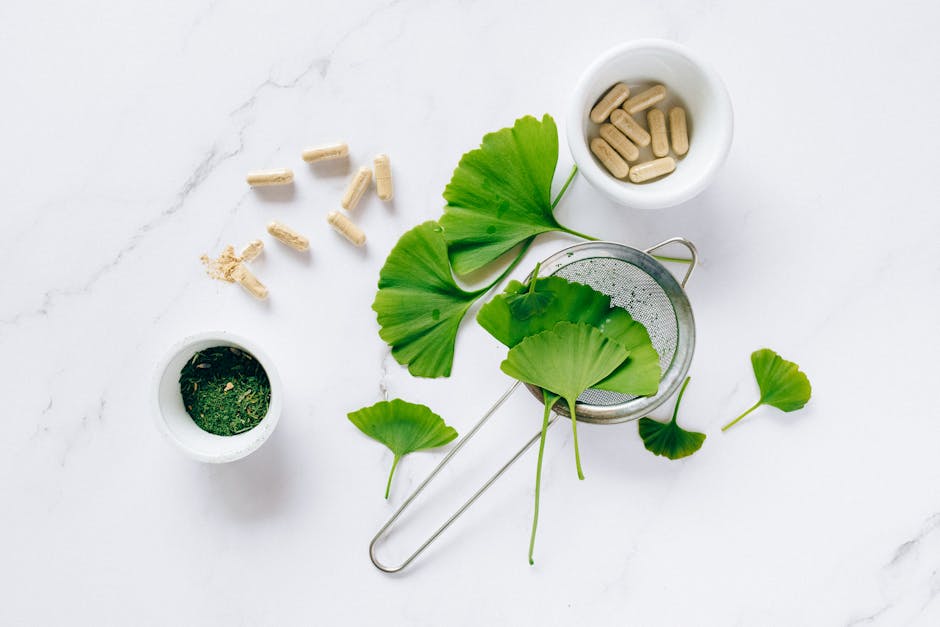
8.1 Ginger: A Time-Tested Digestive Aid
Ginger has long been revered for its potential digestive benefits, and research suggests that it may offer relief for individuals suffering from GERD. Known for its anti-inflammatory properties, ginger is believed to help soothe the gastrointestinal tract and reduce symptoms like nausea and bloating. Additionally, ginger may aid in improving gastric motility and enhancing stomach emptying, which can be beneficial in minimizing reflux episodes. Incorporating ginger into the diet through teas or culinary applications could serve as a complementary approach to managing GERD symptoms.
8.2 Licorice Root: Supporting Mucosal Health
Licorice root, particularly in its deglycyrrhizinated form (DGL), is believed to support digestive health by promoting the production of protective mucus in the gastrointestinal tract. This enhanced mucosal barrier may help shield the esophagus from the harsh effects of stomach acid, potentially alleviating GERD symptoms. Some studies indicate that DGL licorice may reduce the frequency and severity of heartburn episodes. However, it is important to consult with healthcare providers before incorporating licorice root, as it may interact with certain medications or conditions.
8.3 Slippery Elm: Coating and Soothing the Esophagus
Slippery elm is another herbal remedy that is often explored for its potential benefits in managing GERD symptoms. This herb is believed to work by forming a protective barrier over the esophagus and stomach lining, thus potentially reducing irritation from acid reflux. The mucilage content in slippery elm is thought to coat and soothe inflamed tissues, providing relief from discomfort associated with GERD. While more research is needed to confirm its efficacy, slippery elm is generally considered safe for use in supporting digestive health.
8.4 Integrating Herbal Remedies into a GERD Management Plan
When considering herbal remedies as part of a GERD management plan, it is crucial to approach them as complementary options rather than standalone solutions. The effectiveness of these herbs may vary from person to person, and ongoing consultation with healthcare professionals is advised to tailor an individualized approach. By integrating ginger, licorice root, and slippery elm responsibly, individuals may enhance their overall strategy for managing GERD symptoms naturally. Regular monitoring and adjustments, as discussed in previous sections, remain essential to achieving optimal outcomes.
9. Consulting with Healthcare Professionals

9.1 The Role of Healthcare Providers in GERD Management
Healthcare providers are essential partners in the journey to manage GERD effectively. Their expertise allows them to assess individual conditions comprehensively, ensuring that any natural remedies considered are suitable and safe. By consulting with a healthcare professional, individuals can receive personalized recommendations that align with their specific health needs and medical history, helping to optimize treatment outcomes.
9.2 Safety and Coordination in Treatment Plans
When integrating natural remedies into a GERD management plan, safety is paramount. Healthcare professionals can help coordinate care to avoid potential interactions between herbal supplements and prescribed medications. This coordination is crucial to prevent adverse effects and ensure that all aspects of treatment work harmoniously. Engaging with healthcare providers allows for adjustments to be made when necessary, maintaining a balanced and effective approach to managing GERD.
9.3 The Importance of Open Communication
Open communication with healthcare providers is vital for successful GERD management. Discussing symptoms, concerns, and the effectiveness of any natural remedies being used can help providers make informed decisions regarding treatment adjustments. This dialogue fosters a collaborative relationship, empowering individuals to take an active role in their health while benefiting from professional guidance.
9.4 Navigating the Overwhelming Information Landscape
In today's digital age, the abundance of information on natural remedies for GERD can be overwhelming. Healthcare professionals can serve as reliable sources to help sift through this information, distinguishing between evidence-based recommendations and unproven claims. By leaning on their expertise, individuals can make informed choices about incorporating natural remedies into their GERD management plan, avoiding potential pitfalls and focusing on strategies with proven efficacy.
9.5 Maintaining a Long-Term Perspective
GERD is a chronic condition that requires ongoing management. Consulting with healthcare professionals helps individuals maintain a long-term perspective, ensuring that their management plan evolves with their changing needs. Regular check-ins with providers can help monitor progress, address new symptoms, and adjust treatment strategies as necessary, ultimately supporting a more sustainable and effective approach to living with GERD.