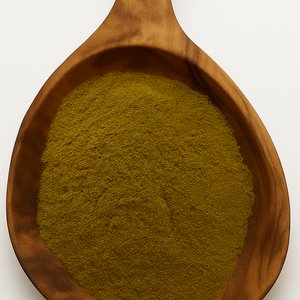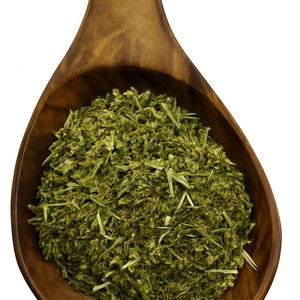
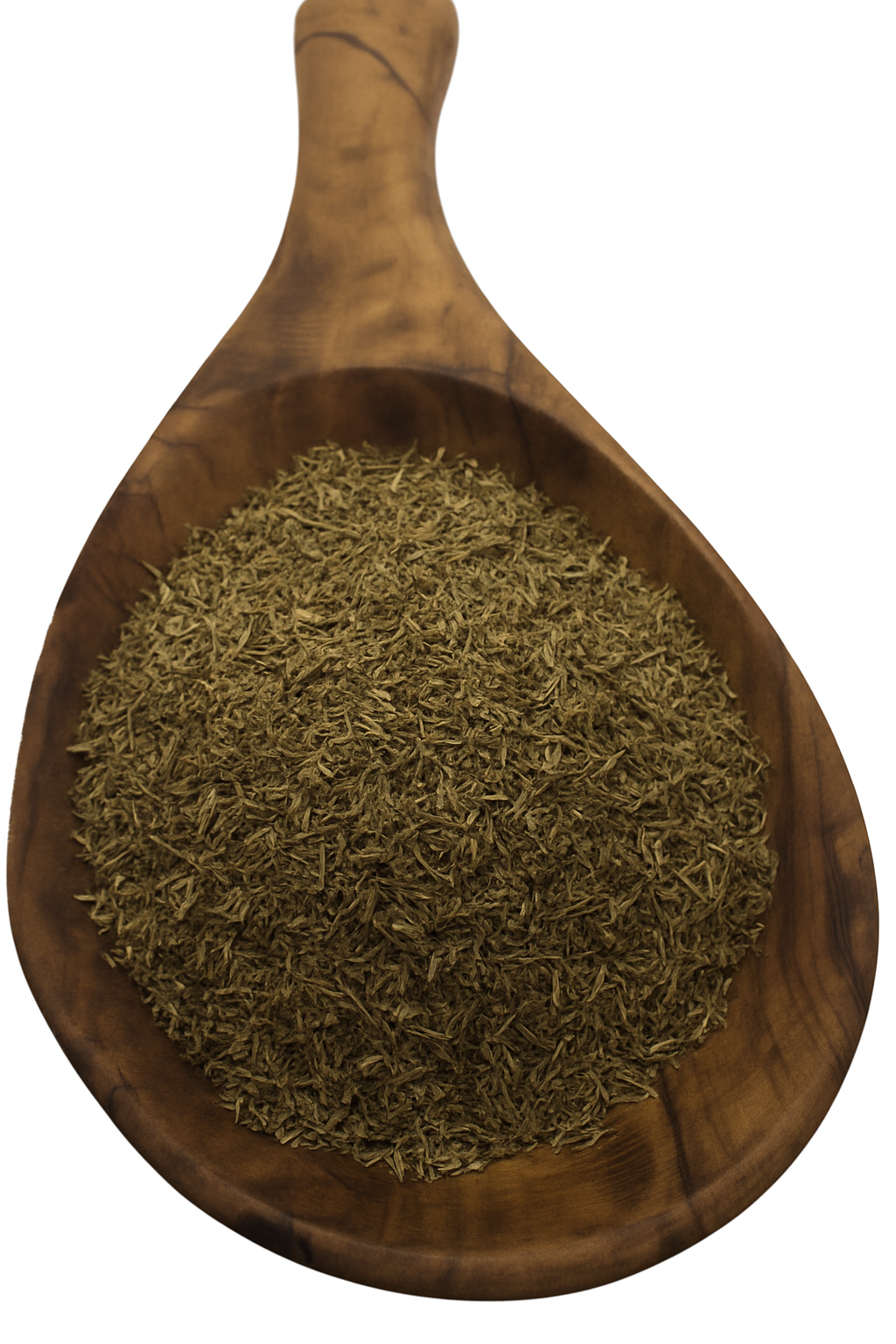
Thyme Leaves Cut
Thyme Leaves Cut - an aromatic herb used in various culinary applications.





Hotline Order:
24/7
+1(865)4164178
Botanical Name: Common Thyme.
Common Name:
- English: Thyme
- Also referred to as:This text lists various names for the herb thyme in different languages. The list includes common names used in many cultures and regions, such as English (Thyme), French (Thym), Spanish (Tomillo), Italian (Timiano), German (Kuttelkraut), Arabic (Za'ater), Russian (Tymian), and others.
OriginCruise through the Western Mediterranean.
Harvested: Cultivated
Parts Used: Leaves
This section is empty. Please provide the original product description text for me to rephrase. I'll be happy to assist you!
Common thyme.This plant is a small, shrubby perennial that grows upright to 2 feet tall, or can spread outwards. It has leaves with a pointed shape and rolled edges, attached directly to the stem. Thyme is widely known for its distinctive fragrance and flavor, making it a popular herb in many cuisines, particularly in Western and Middle Eastern cooking.
The leaves of this plant are small, pointed, and gray-green, with a distinctive rolled margin. They have dark green tops and pale undersides, and are covered in fine hairs on the underside. The leaves are about 6 mm long and grow in pairs on short stems. The flowers have a hairy calyx and a two-lobed corolla that is typically pink or white. They grow in clusters and produce four brown, egg-shaped seeds. The plant's leaves are highly aromatic and are often used fresh or dried as a seasoning in cooking. They can be added to soups, stews, sauces, meat dishes, and fish dishes for flavor.
How to use:
As a spice.
Hot Infusion:
To prepare dried herbs or flowers, place 2-3 tablespoons in a cup or teapot and pour hot water over them. Cover the container for 10-30 minutes to allow the water to extract the plant's active compounds, including antioxidants, enzymes, vitamins, flavonoids, and volatile oils. Strain and press out as much liquid as possible before serving.
Tips:
- Herbal teas can be sweetened using alternatives to sugar, such as honey, natural fruit juices, stevia leaf powder, or licorice root powder.
- Freeze tea in ice trays or pop molds to create ice cubes or pops.
Precautions:
Before using this herbal product, consult a qualified healthcare professional, especially if you're pregnant, breastfeeding, or taking medication.
The content on this site is intended for informational or educational use.ONLY.
The following statement is in compliance with Canadian regulations regarding health claims: This product has not been assessed for safety or efficacy by Health Canada.
This information is for informational purposes only and should not be used as a substitute for medical advice.
Add your review
Your email address will not be published. Required fields are marked *
Please login to write review!
Looks like there are no reviews yet.