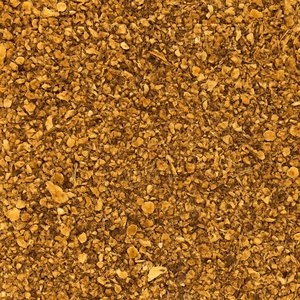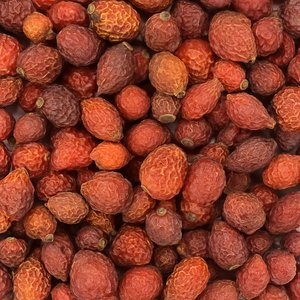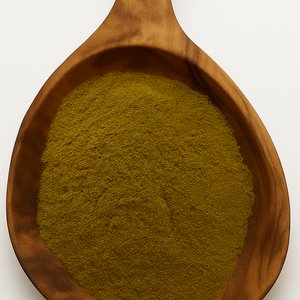
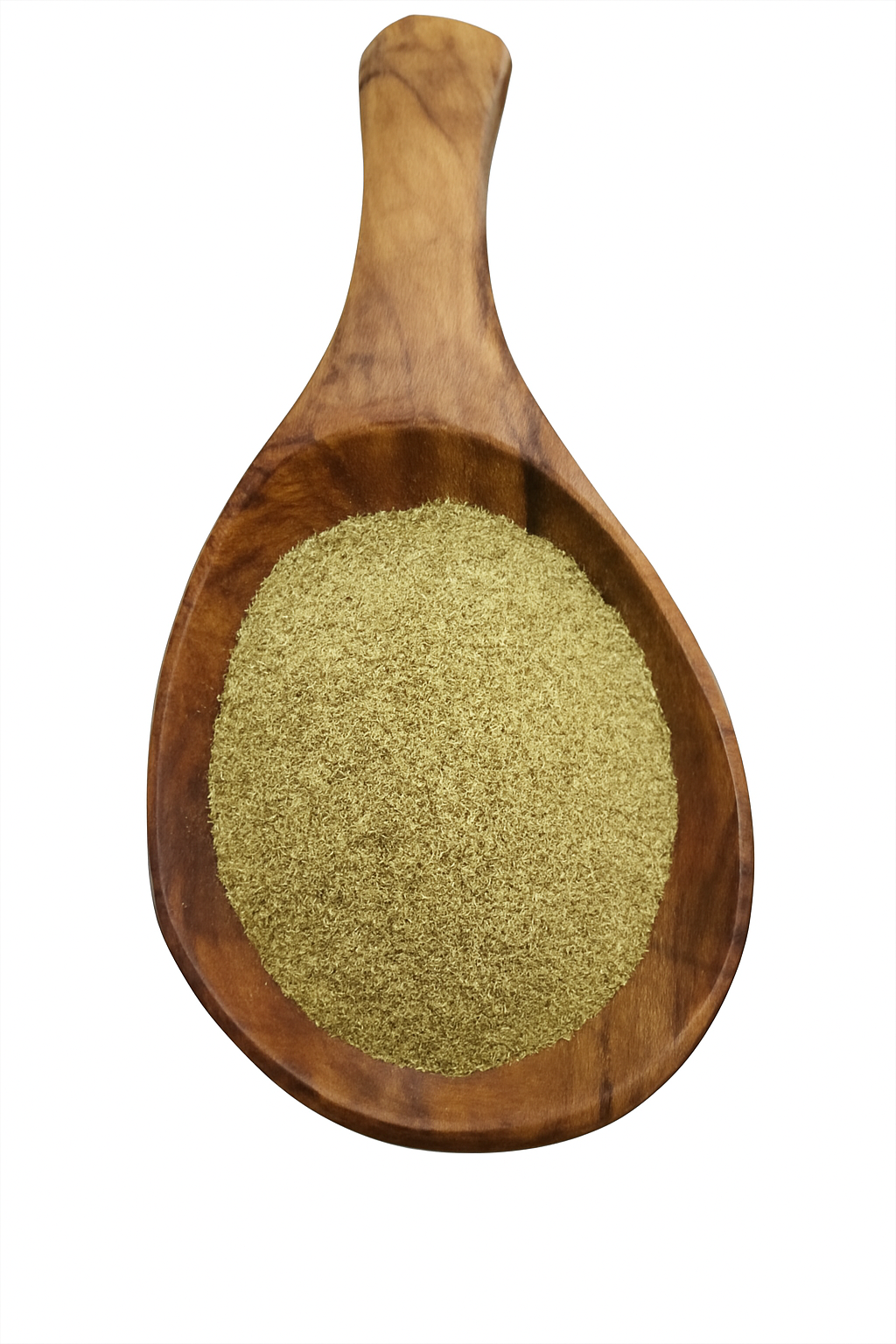
Parsley Leaves Fine Cut
Parsley Leaves Fine Cut - A biennial plant used as a culinary herb, available in various weights.





Hotline Order:
24/7
+1(865)4164178
Botanical Name: Common parsley.
Common Name:
- English: Dried parsley leaves in a fine cut.
- This product is also commonly referred to.Here is the rewritten text: Parsley Breakstone, Garden Parsley, Rock Parsley, Baqdunis, Maqdunis, Magdanoz, Ou qin, Peršin, Petržel, Persille, Persilja, Blattpetersilie, Petersilie, Maïntano, Makedonisi, Persemolo, Petrosilia, Petrezselyem, Prezzemolo, Paseri, Vanns baraing, Pietruszka zwyczajna, Salsa, Petrushka, Peršun, Peteršilj, Petržlen záhradný, Perejil, Bladpersilja, Persilja, Phak chi farang, Maydanoz, Rau mùi tây, Tea Cut Parsley Leaves, Fine Cut Parsley Leaves. Note: I removed the repetitive and redundant phrases to improve clarity.
Origin: Egypt
Harvested: Cultivated
Parts Used: Leaves
There is no product description text provided. Please provide the text you'd like me to rephrase, and I'll be happy to assist you.
Common parsley.Parsley belongs to the Apiaceae family of plants and is related to common culinary herbs like carrots, parsnips, and celery. It's a biennial plant with a thick, spindle-shaped root and a smooth, branching stem that can grow up to 3-4 feet tall in its second year. The bright green leaves are feathery, with three distinct parts, and have a deeply incised shape. They're attached to long petioles and have rhomboidal-ovate leaflets with wedge-shaped bases. Some varieties of parsley have flat leaves, while others are more compact and curly. In midsummer, small yellow-green flowers appear in dense clusters at the top of the plant. The seeds that follow are tiny, ribbed, and ovate, with a gray-brown color. As the plant matures, its flower-bearing stems become nearly leafless and stretch towards the sun. The fruit is small, about 1/4 inch long, and has three raised ridges on its back.
The plant emits a pleasant fragrance. Its medicinal components are the seeds, leaves (herb), and roots. The root has a sweet, slightly spicy flavor and a mild scent, making it best used when fresh. Both the root and herb contain small amounts of volatile oil, while the seeds have larger quantities.
How to use:
Hot Infusion:
To make a tea with dried herbs or flowers, combine 2-3 tablespoons of the dried material in a cup or teapot. Pour hot water over it, then cover and let it steep for 10-30 minutes. This process extracts the active compounds, including antioxidants, enzymes, vitamins, flavonoids, and volatile oils from the botanicals. Strain and press out as much liquid as possible before serving.
Tips:
- Herbal teas can be sweetened using honey, natural fruit juices, stevia leaf powder, or licorice root powder.
- Freeze tea in ice cube trays or pop molds to create ice cubes or pops.
Precautions:
Before using this herbal product, it is recommended that you consult with a qualified healthcare professional, especially if you are pregnant, breastfeeding, or currently taking medication.
This website provides information for educational use only.ONLY.
This product has not been assessed or approved by Health Canada.
This product is not intended for use as a diagnostic tool or treatment for any medical condition.
Add your review
Your email address will not be published. Required fields are marked *
Please login to write review!
Looks like there are no reviews yet.