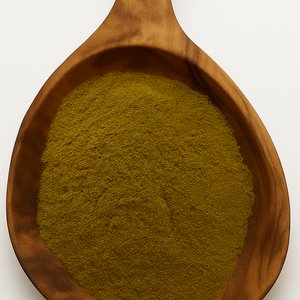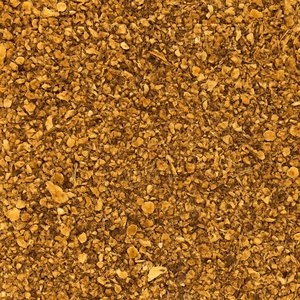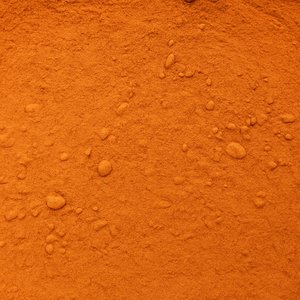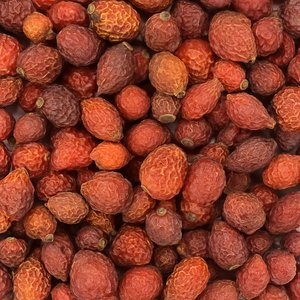
Oregano Ground
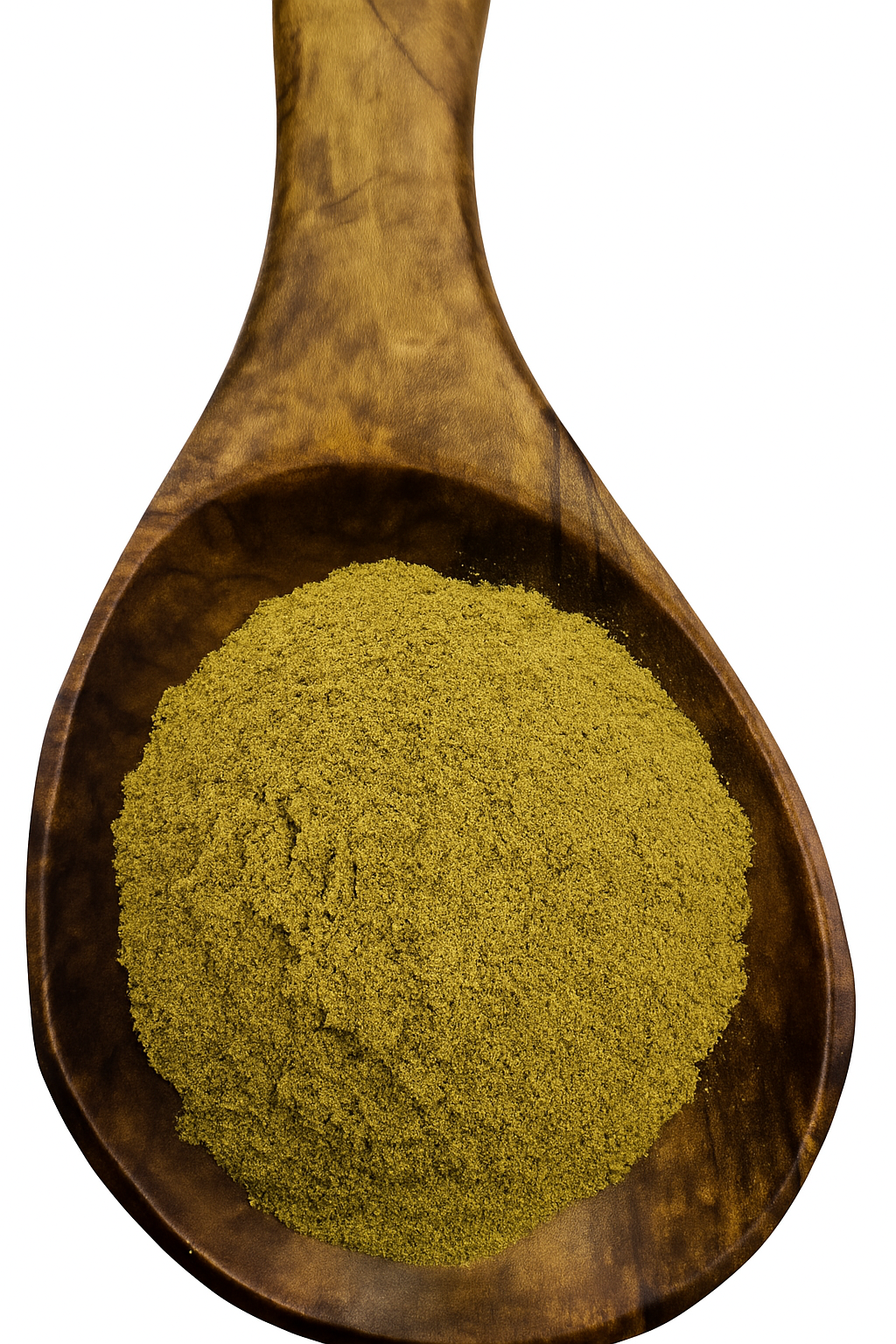
Oregano Ground - a perennial herbaceous plant used as a spice or in herbal remedies.





Hotline Order:
24/7
+1(865)4164178
Botanical Name: Common Sage (Origanum vulgare)
Common Name:
- English: Wild Oregano (also known as Wild Marjoram)
- Ayurvedic:This phrase appears to be in a non-English language. Assuming it's Japanese, here is a possible rephrased version: "Peaceful Mind, Calming Face" Note: I've kept the original words and tried to convey their meaning in English, but please note that this is an interpretation rather than a direct translation.
- Unani: Marzanjosh.
- This product is also referred to as:Here is the rewritten text: Oregano has many names in different languages. Some of these names include: Acciughero (Italian), Aitz Belarr (Basque), Anrar (Arabic), Ào Lè Gāng (Chinese), Avishan Kuhi (Persian), Bantulsi (Swahili), Bergminta (German), Bergmynte (Danish), Brauner Dost (German), Buklutulgezal (Turkish), Ching Chieh (Mandarin Chinese), Marjolaine Bâtarde (French), Marijolai (Italian), Marjolaine Sauvage (French), Common Marjoram (English), Dobromysl (Russian), Dost (German), Gewöhnlicher Dost (German), Hana-hakka (Japanese), Harilik Pune (Estonian), Izmir kekigi (Turkish), Ngou lahk gong (Vietnamese), Ngauh ji (Thai), Herba Origani (Latin), Jakhmbuti (Hindi), Kaslók (Hungarian), Kekik Otu (Turkish), Klopovnayatrava (Russian), Kostets (Polish), Kostolomnaya Trava (Russian), Kung (Swedish), Lepiodkapospolita (Polish), Loragiño (Spanish), Majurano Fero (Italian), Marzangush (Persian), Materynka (Polish), Mountain Mint (English), Thym De Berger (French), Tograihon (Greek), Tost (German), Vadmajoránna (Hungarian), Vild Mejram (Danish), Wild Marjoram (English), Mravinac (Croatian), Mäkimeirami (Finnish), Ngàuh Ji (Thai), Ngou Lahk Gòng (Vietnamese), Niu Zhi (Mandarin Chinese), Orégano (Spanish), Oreganó (Greek), Orenga (Italian), Organ (English), Organy (Polish), Origan (French), Origan Commun (French), Origano (Italian), Ourego (Arabic), Paprastasis Raudonėlis (Lithuanian), Pamajorán Obyčajný (Czech), Pelevoué (Greek), Penevoué (Greek), Pot Oregano (English), Raudenes (Latvian), Remago (Italian), Rigan (Slovenian), Rigoni I Zakonshëm (Albanian), Satar Barri (Turkish), Sathra (Hindi), Sovârf (Romanian), Szurokfű (Hungarian), Tavshava (Persian), Thérouge (French), Wild Oregano (English), Wilde Marjolein (Dutch), Winter Marjoram (English), Wintersweet (English).
Origin: Turkey
Harvested: Cultivated
Parts Used: Leaves
This section is blank. Please provide the original text for me to rephrase. I'll be happy to help once you share it with me.
Common Sage (Origanum vulgare) is a botanical name for a plant species., This perennial herb grows up to 100cm tall and 25cm wide. Its name likely comes from the Greek words "oros" (mountain) and "gamos" (beauty), referencing its native mountain habitats and physical appearance. The plant's leaves are opposite, long, oval, and slightly toothed, with a sweet fragrance. They measure 10-40mm in length and 5-20mm in width, with hairy petioles that are about one-quarter as long as the leaves. The stems are erect, woody at the base, and quadrangular, often bearing violet or purplish-green hairs. Flowers of the labiate type are generally bisexual but can be female with immature stigmas. They form many-flowered inflorescences, typically white to reddish-purple in color, which are grouped into short, dense spikes. Each flower has a corolla that is 5-10mm long and features two lips, ranging in color from white to purplish. The calyx is five-toothed, and each flower contains four stamens.
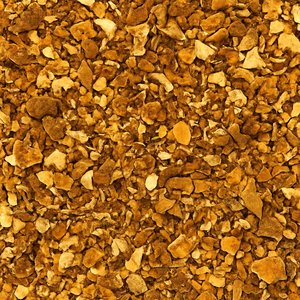
The Greek variety of oregano (O. vulgare) with white flowers is preferred for cooking due to its strong, distinctive fragrance and warm, slightly bitter taste. These characteristics are retained even when the herb is dried. Oregano is a key ingredient in both Greek and Italian cuisine, with the dried form generally having more flavor than fresh leaves. To preserve the flavor, the dried oregano is not powdered but rather broken into small pieces. The flavor of oregano can vary depending on factors such as cultivar, growing conditions, and time of year. Oregano's distinctive aroma is perhaps most famously associated with pizza, which owes its characteristic smell to this herb.
How to use:
As a spice.
Powdered Herb:
Powdered herbs can be used in a variety of ways.
You can add powdered herbs to various products like superfood blends, smoothies, sauces, spreads, and baked goods. For children, mix the powder with honey or glycerin to create a paste. The thicker the paste, the stronger the herbal flavor will be. This method helps mask any bitter taste, making it easier for kids to take. This technique is also known as "Electuaries".
You can fill capsules with your own powdered herbs at home, ensuring the contents are 100% pure herb without additives. They can be easily dissolved in a liquid.
A poultice is created by mixing an herbal powder with a liquid, typically water, to form a paste that's applied directly to the skin. This treatment can be beneficial for various skin issues.
Mix powdered herbs with water, fruit juice, or another liquid to create a concentrated herbal drink.
Precautions:
Before using this herbal product, consult a qualified healthcare professional, especially if you're pregnant, breastfeeding, or taking medication.
The content on this site is provided for informational or educational use.ONLY.
This product has not undergone evaluation by Health Canada.
This information should not be used for diagnosing, treating, curing, or preventing any medical condition.
Add your review
Your email address will not be published. Required fields are marked *
Please login to write review!
Looks like there are no reviews yet.