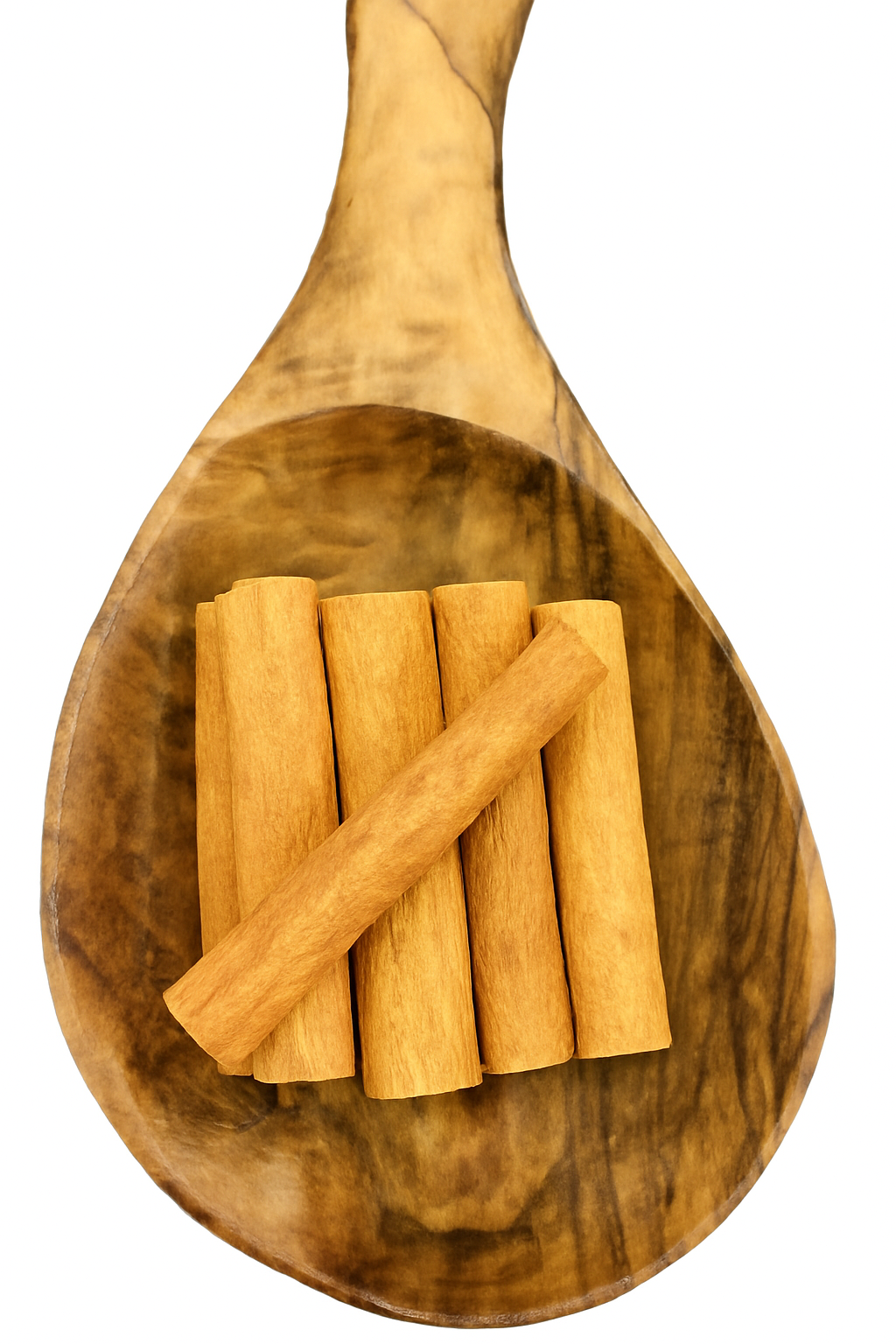
Cinnamon Stick 3"
Cinnamon Stick 3" - Chinese Cinnamon, also known as Cassia Bark, used as a spice for confectionery and desserts.





Hotline Order:
24/7
+1(865)4164178
Botanical Name: Cassia cinnamon is a type of cinnamon derived from the bark of Cinnamomum cassia trees.
Common Name:
- English: Cinnamomum cassia, commonly known as Chinese cinnamon.
- Also referred to as:Cinnamomum cassia, also known as Chinese cinnamon or Cassia bark.
Habitat: Originates from China, Indonesia, and Vietnam..
Origin: Vietnam
Harvested: Cultivated
Parts Used: Tree bark
There is no original text to rephrase. Please provide the original text you would like me to rephrase. I will then rewrite it while maintaining its meaning, improving clarity and fluency, and returning only the rewritten text without any marketing fluff.
This plant belongs to a group of several related species.Cinnamomum Primarily valued for its fragrant bark, which is often used as a spice.Cassia cinnamon is a type of cinnamon derived from the bark of Cinnamomum cassia trees.Ceylon Cinnamon is the most widely recognized and commonly used variety of cinnamon. It is often considered a suitable replacement for other types of cinnamon.Cinnamon (Cinnamomum zeylanicum) is a species of evergreen tree native to Sri Lanka.This tea is similar in character to that of Ceylon.
The cultivated trees are pruned to maintain a coppice structure, allowing numerous shoots to grow from their roots. When the vibrant flame-colored leaves and delicate flowers emerge, they create a striking appearance. The fruit is roughly the size of an olive, while the evergreen leaves are oval-shaped and 5-9 inches long. These trees reach their peak quality between ages ten and twelve, but continue to produce new growth throughout their lifespan. A key identifying feature of the bark is its thickness, coarseness, darkness, and dullness, which distinguishes it from cinnamon bark. The flavor profile is distinct as well, with a more pronounced pungency, less sweetness, and a hint of bitterness.
Cassia has a more intense aroma than cinnamon and is generally less expensive. It's often referred to as "poor man's cinnamon." Cassia bark can be used in its powdered or whole form, including sticks, to add flavor to confections, desserts, pastries, and meat dishes. It's also commonly specified in curry recipes.Sri Lankan cinnamon, also known as Ceylon cinnamon, is a type of cinnamon obtained from the inner bark of the Cinnamomum verum tree.This product is not ideal for certain applications.
Sri Lankan cinnamon, also known as Ceylon cinnamon.Cassia sticks differ from other types in that they are composed of a single, dense layer, making them more difficult to process than thinner, layered alternatives.
How to use:
As a spice.
Precautions:
Before using this herbal product, consult a qualified healthcare professional if you're pregnant, breastfeeding, or taking medication.
This website provides information for educational purposes only.ONLY
This product has not undergone evaluation by Health Canada.
This product is not intended for use in diagnosing, treating, curing, or preventing any medical condition.
Add your review
Your email address will not be published. Required fields are marked *
Please login to write review!
Looks like there are no reviews yet.