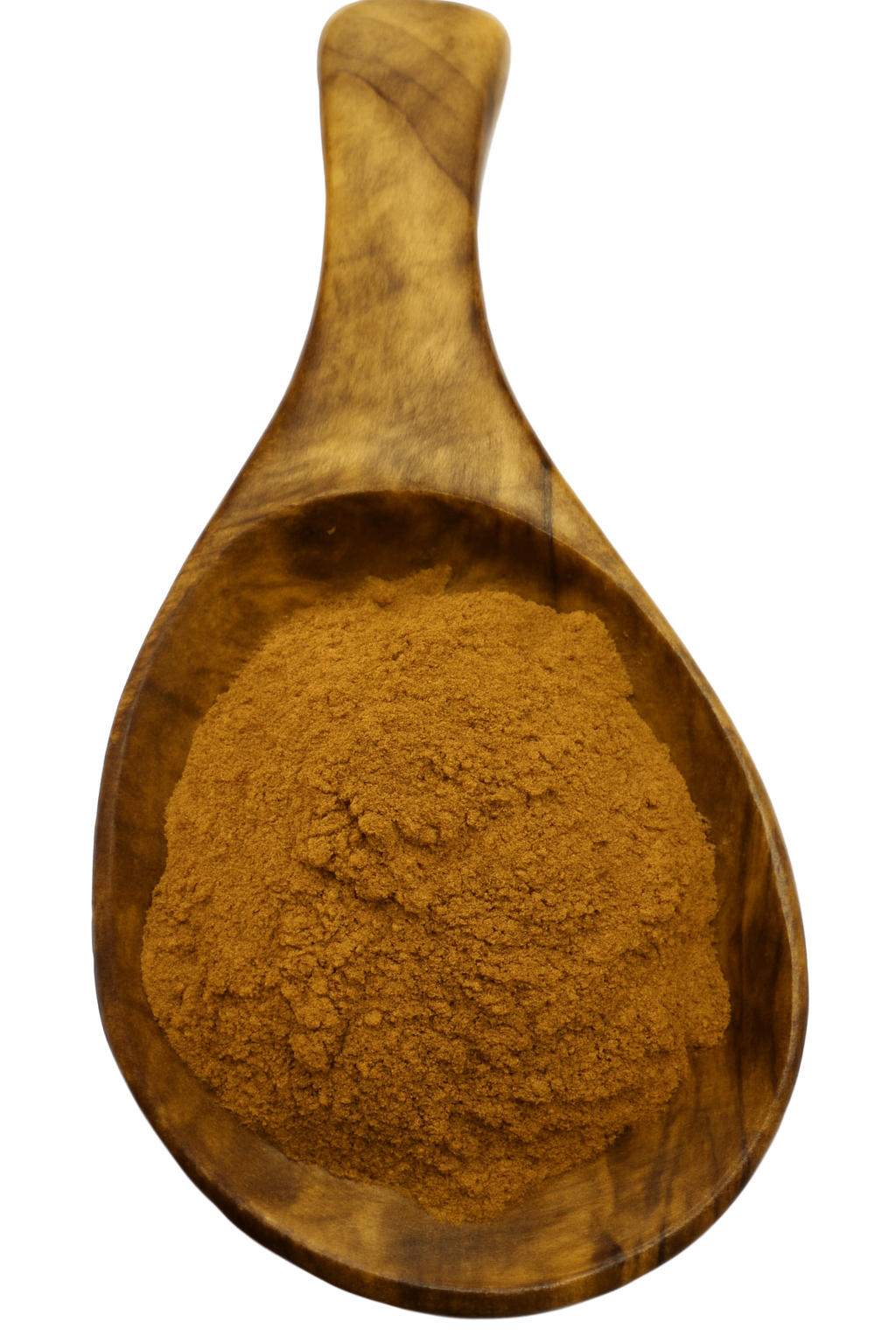
Cinnamon Ground Ceylon
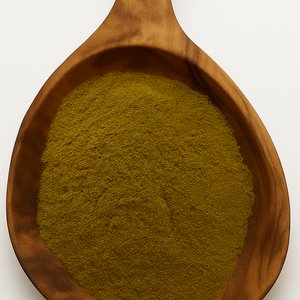
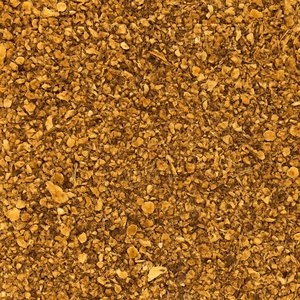
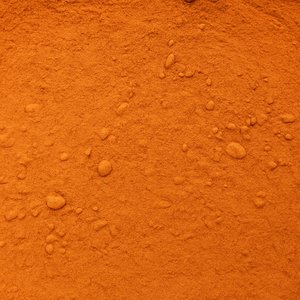
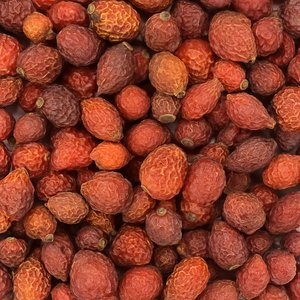
"Ceylon Cinnamon Ground, true cinnamon from Sri Lanka."





Hotline Order:
24/7
+1(865)4164178
Botanical Name: Cinnamon (Cinnamomum zeylanicum) is a species of evergreen tree native to Sri Lanka.
Common Name:
- English: True Cinnamon
- Ayurveda:These are eight traditional Indian herbal teas.
- This product is also referred to as:The product contains a blend of various spices including: Cinnamon, Ceylon cinnamon, Cassia bark, Star anise, Cloves, Cardamom, Chinese cinnamon, and Cinnamon sticks.
Origin: Sri Lanka
Harvested: Cultivated
Parts Used: Bark
There is no original text provided. Please paste the original text you would like me to rephrase, and I'll be happy to assist you!
Two primary commercial species of cinnamon tree exist among over 100 known varieties.Cassia cinnamon is a type of cinnamon derived from the bark of the Cinnamomum cassia tree.Ceylon cinnamon, also known as cassia cinnamon, is widely available in stores globally. Originating from Indonesia, it has since been cultivated in various tropical regions worldwide.Cinnamon (Cinnamomum zeylanicum) is a species of evergreen tree native to Sri Lanka.Ceylon cinnamon is also known as "true" cinnamon and originates from Sri Lanka.
Ceylon Cinnamon is a widely recognized and ancient spice with a long history around the world. It adds fragrance and warmth to various dishes, from breakfast foods and baked goods to curries and roasted meats. The spice has been mentioned in the Bible and Sanskrit texts, and its value was exceptionally high 2,000 years ago - equivalent to 15 times the value of silver of the same weight.
Here is a rewritten version of the text: The cinnamon tree typically grows between 20-30 feet tall, with thick, scaly bark and sturdy branches. Its young shoots display a mottled green and orange coloration, while its mature leaves are entire, leathery, and have a shiny upper surface. The leaves' underside is lighter in color. Small white flowers grow in clusters, while the fruit resembles an acorn with a bluish hue and white spots when ripe. Cinnamon trees can be propagated through seeds or cuttings and thrive in humid tropical environments. For centuries, cultivation methods have remained largely unchanged, involving careful pruning of young trees to promote bushy growth. When the trees are two years old, they undergo heavy pruning, resulting in a profusion of shoots at their base. These shoots are harvested twice annually after monsoon rains make them easier to process. The inner bark is then carefully separated from each shoot and layered together before being dried. As it dries, the bark curls into cinnamon "sticks" or quills. Once properly dried, these sticks are cut to size and shipped worldwide for use in various applications.
How to use:
As a spice.
Precautions:
Before using this product, consult with a healthcare professional, especially if you're pregnant, breastfeeding, or taking medication.
This website provides information for educational purposes only.ONLY
The following statement is pending evaluation by Health Canada.
This information is provided for general purposes only and should not be used as a substitute for medical advice.
Add your review
Your email address will not be published. Required fields are marked *
Please login to write review!
Looks like there are no reviews yet.